Warehouse racking is a long-term investment — the right system can double your storage density, while the wrong one wastes floor space and slows down operations. This guide walks through the six decisions that matter most, so you can specify the correct system the first time and get accurate quotes from manufacturers.
1. Define Your Storage Task First
Before comparing rack types, answer three questions: what are you storing (pallets, cartons, long goods or mixed items), how heavy is each storage unit, and how often do you need to access each item?
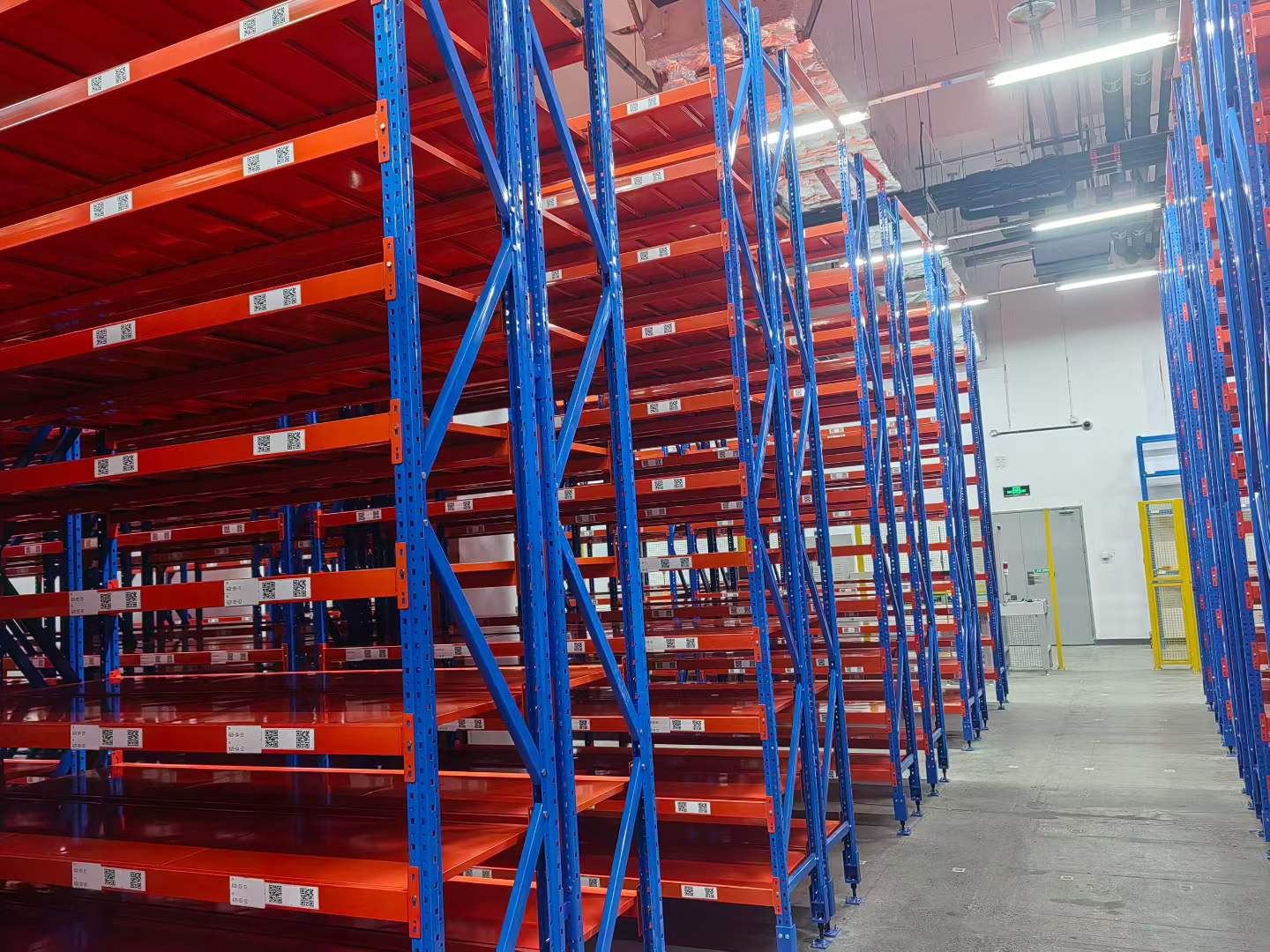
The answers determine whether you need selective pallet racking (every pallet accessible), drive-in racking (dense storage for same-SKU pallets) or cantilever racks (long, bulky goods).
2. Compare the Main Rack Types
| System | Best For | Access | Density | Typical Load |
|---|---|---|---|---|
| Selective pallet racking | Mixed SKUs, FIFO picking | Every pallet | Medium | 1,000-3,000 kg/level |
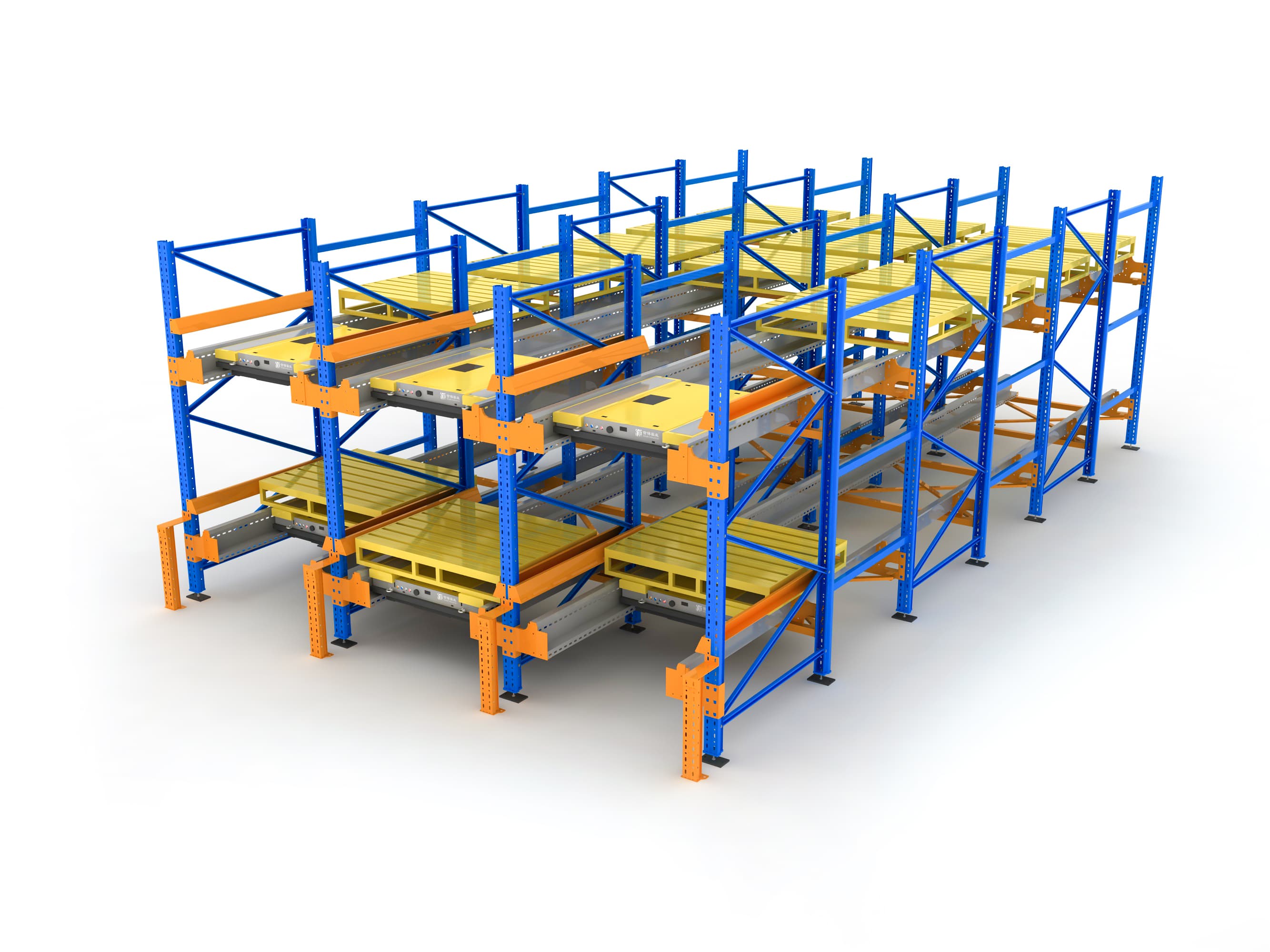
| Drive-in racking | Same-SKU bulk storage | LIFO, one lane | Highest | 1,000-2,000 kg/level |
| Cantilever rack | Pipes, lumber, coils | Open front | High for long goods | 500-3,000 kg/arm |
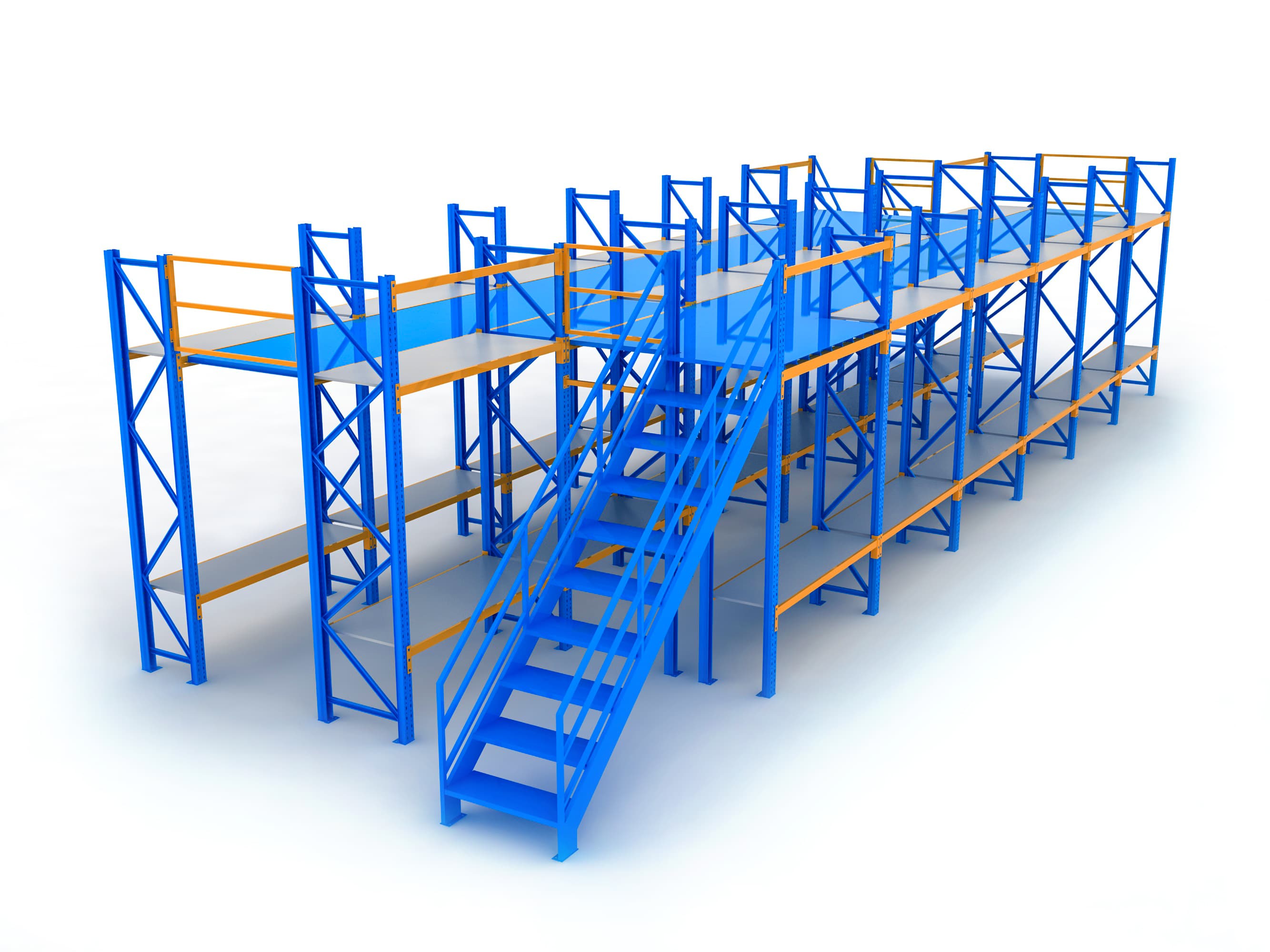
| Mezzanine floor | Floor space shortage | Stairs/lift | 2x floor area | 500-1,000 kg/m² |
| Boltless shelving | Cartons, parts, picking | Hand access | High for small items | 150-500 kg/shelf |
3. Calculate Load Capacity and Safety
Specify the maximum weight per level and per upright, not an average. Add a safety factor of at least 1.5x for dynamic loads such as forklift impacts. Confirm beam locks, column guards and anti-collapse mesh are included in the quote.
A reputable manufacturer will provide a structural calculation and recommend pallet beam depth based on your pallet size (800x1200 mm or 1000x1200 mm are the most common).
4. Plan Aisle Width for Forklift Access
Standard forklifts need 3.2-3.8 m aisles, while reach trucks and VNA (very narrow aisle) systems can work in 1.5-2.5 m. Wider aisles reduce storage density but speed up picking. Decide the trade-off before ordering — changing it later means rebuilding the layout.
- 3.5-3.8 m: standard counterbalance forklift
- 2.5-3.2 m: reach truck
- 1.5-2.5 m: VNA / turret truck (needs floor rails)
5. Budget for the Full System, Not Just Steel
Beyond the rack itself, budget for installation, seismic/fire protection, floor marking, beam locks and future expansion. Powder-coated racks cost 10-20% more than painted ones but last years longer in humid climates such as Southeast Asia.
6. Work With a Manufacturer, Not Just a Price List
Send your warehouse drawings and load data to 2-3 manufacturers and compare: free layout design, MOQ flexibility, delivery time, installation support and after-sales response. Factory-direct suppliers like Huaxiao Rack (since 2000, exported to 50+ countries) provide CAD drawings free and quote within 24 hours.
Frequently Asked Questions
What is the difference between selective and drive-in pallet racking?
Selective pallet racking gives direct access to every pallet (FIFO-friendly) but stores fewer pallets per square meter. Drive-in racking packs pallets several deep on rails for maximum density, but only allows LIFO access — best for bulk storage of identical SKUs.
How much weight can pallet racking hold?
A typical selective pallet racking level holds 1,000-3,000 kg depending on beam size and upright gauge. Confirm the rated capacity with the manufacturer and never exceed it.
Do I need to reinforce the warehouse floor for racking?
Heavy racking should stand on a level concrete floor with sufficient thickness (usually 150 mm+). The manufacturer's engineer can advise based on upright footplates and load distribution.
Can racking be expanded later?
Yes — modular racking is designed for expansion. Order the same upright/beam series so new bays match existing frames exactly.
Related Products
Get a Free Layout Design & Quote
Send us your warehouse or store drawings — our engineers will reply within 24 hours with a tailored solution and factory-direct price.