Drive-in and selective pallet racking solve different problems. Selective racking gives you fast access to every pallet; drive-in packs pallets deep for maximum density. Choosing wrong means wasted floor space or slow operations. This comparison helps you decide based on your SKU mix and turnover.
1. How Each System Works
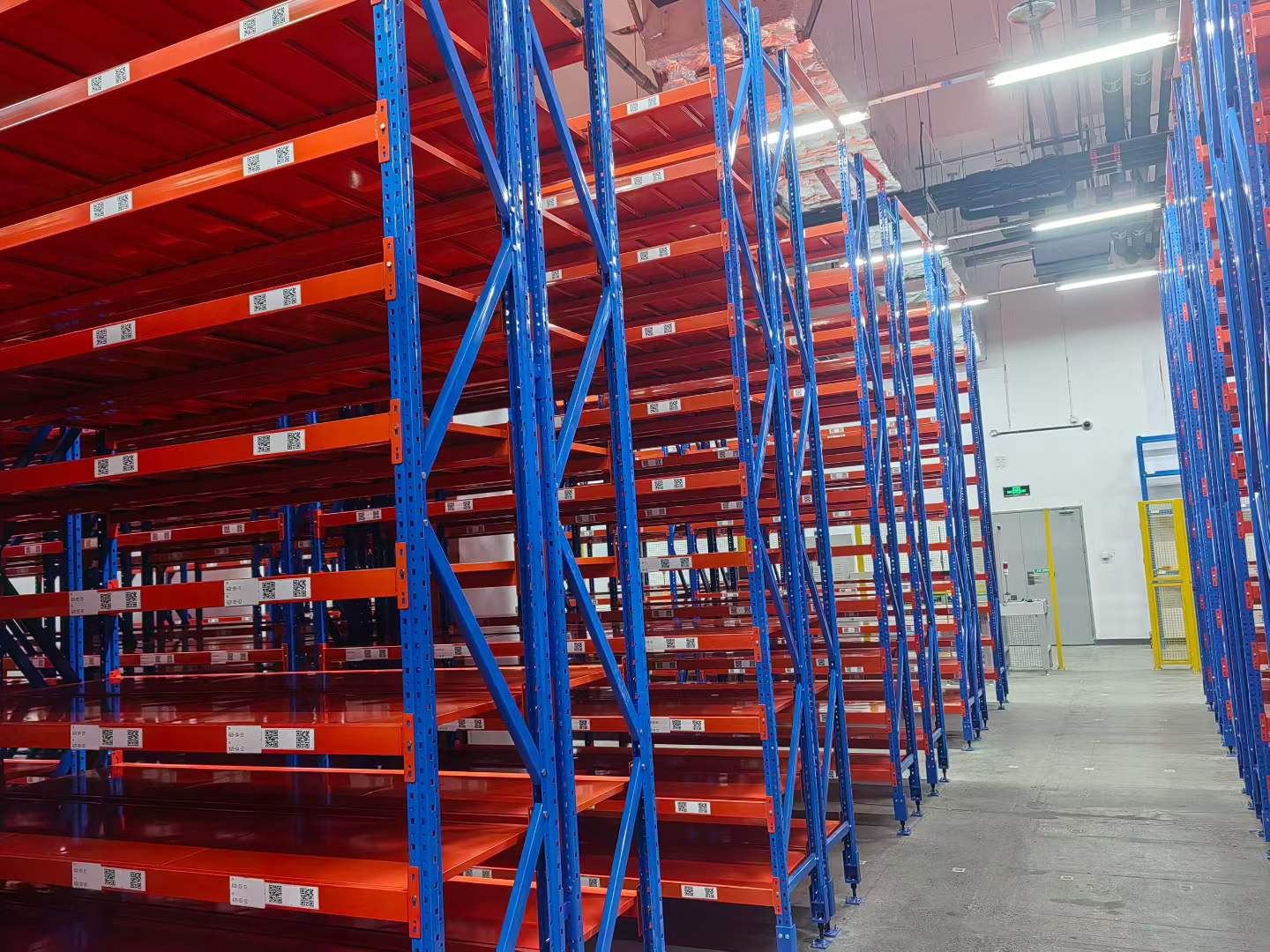
Selective pallet racking stores each pallet in its own bay with beam levels — every pallet is directly accessible. Drive-in racking places pallets on continuous rails, several pallets deep, sharing one access lane per bay; the forklift drives into the lane to deposit or retrieve.
2. Head-to-Head Comparison
| Factor | Selective Racking | Drive-In Racking |
|---|---|---|
| Pallet access | Every pallet, any time | Only last-in (LIFO) |
| Storage density | Medium | Highest (60-75% more) |
| FIFO support | Yes | No (LIFO only) |
| Picking speed | Fast | Slower (drive-in lanes) |
| Cost per pallet position | Higher | Lower |
| Forklift skill | Standard | Requires care in lanes |
| Best SKU mix | Many SKUs | Few, identical SKUs |
3. When Drive-In Wins
Choose drive-in when you store large quantities of the same SKU with no expiry concerns — raw materials, finished stock awaiting shipment, or seasonal products. Same-SKU density is up to 75% higher than selective, cutting floor space and rent significantly.
4. When Selective Wins
Choose selective when you have many SKUs, need FIFO (food, chemicals with expiry dates), or rely on fast order picking. Selective racking also tolerates forklift errors better and is easier to reconfigure as your product mix changes.
5. Hybrid and Alternative Systems
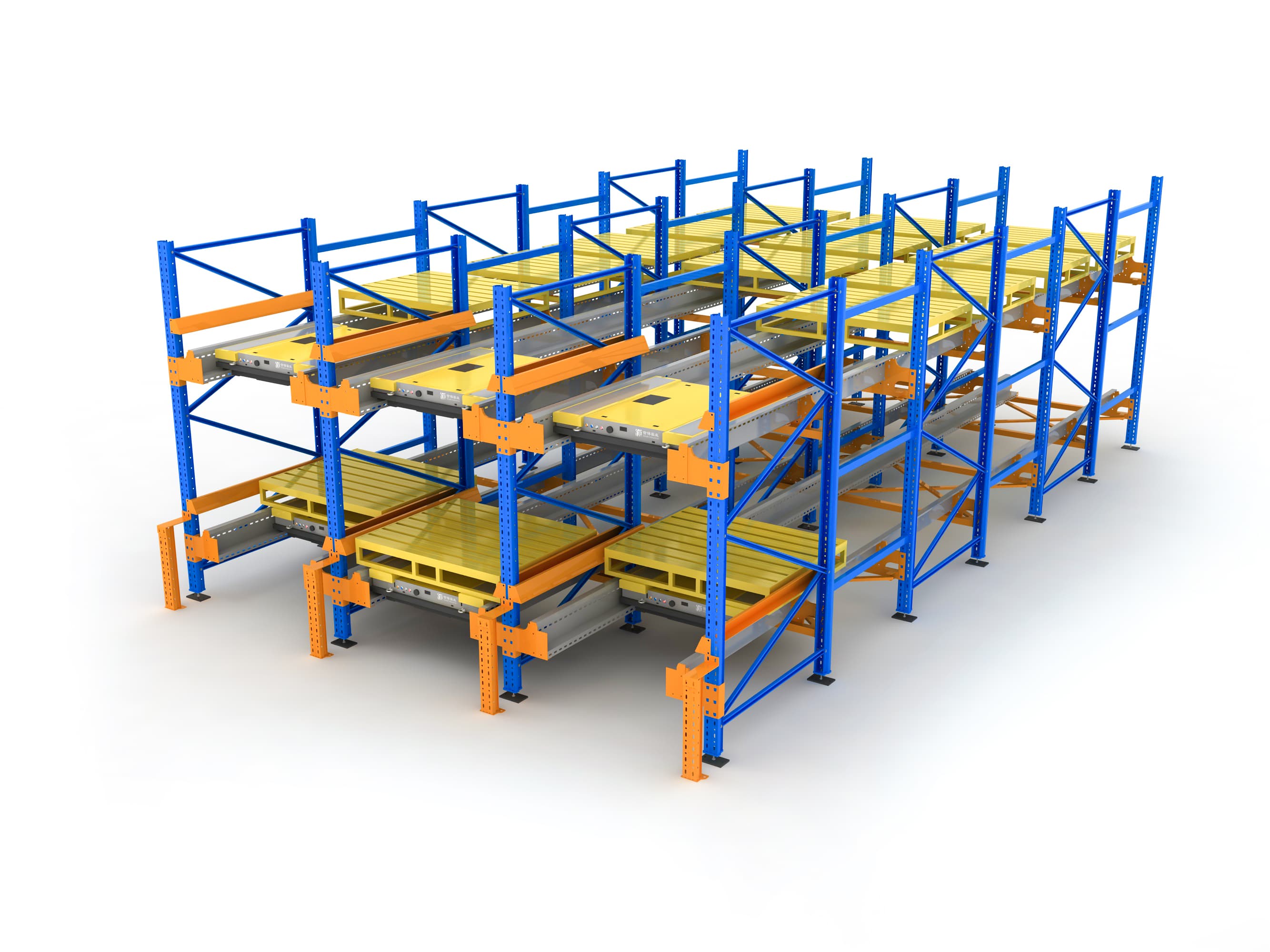
If you need a middle ground, consider drive-through (pallets accessible from both ends for FIFO), push-back racking (2-4 deep, LIFO, no drive-in lanes) or shuttle racking (automated carriers, up to 10 deep, suited to high-throughput cold storage). A manufacturer's engineer can model all options from your SKU data.
Frequently Asked Questions
Which racking system stores the most pallets?
Drive-in racking achieves the highest density — roughly 60-75% more pallets than selective racking for the same floor area, because pallets share access lanes.
Can drive-in racking work with different SKUs?
Technically yes, but retrieval becomes inefficient because access is LIFO. It is best reserved for large quantities of identical SKUs.
Is drive-in racking safe for all forklift types?
It requires counterbalance or reach trucks that can drive into lanes, and careful operators. Lane guidance rails and column protection reduce collision damage.
Related Products
Get a Free Layout Design & Quote
Send us your warehouse or store drawings — our engineers will reply within 24 hours with a tailored solution and factory-direct price.